Territorial fish
Some species defend caves, plants or sections of the tank, particularly when breeding.
Fish care
Two species can survive in the same temperature range and still be terrible tank mates. Good compatibility comes from looking at the whole picture: adult size, behaviour, swimming space, social needs, feeding, water chemistry and what each animal is likely to do when the lights go out.
Compatibility basics
A fish can be peaceful toward its own species and still hunt shrimp, nip long fins, outcompete slower fish for food or become territorial when breeding. Compatibility should be judged by behaviour and husbandry, not by one label on a shop tank.
Adult size
Many fish are sold young. A species that looks harmless at three centimetres may become large enough to eat smaller tank mates later. Adult body size also affects waste production and the amount of swimming space required.
Temperament
Some species defend caves, plants or sections of the tank, particularly when breeding.
Active nipping species can be poor companions for long-finned fish such as many domestic bettas.
A fish does not need to be “aggressive” to eat smaller animals. Hunting can simply be normal feeding behaviour.
Shy species can be stressed by constantly sharing space with fast, boisterous tank mates.
Social needs
Schooling and shoaling fish may become stressed or behave poorly when kept in insufficient numbers. At the opposite end, territorial species may become aggressive when too many individuals are forced into a small space.
Stocking a community tank means providing the correct social setup for every species, not simply fitting one of each into the aquarium.
Water requirements
Temperature, pH, GH and KH should be suitable for all species in the aquarium. A fish that prefers warm, soft water is not an ideal match for a species that requires cooler, hard water just because both are labelled freshwater.
Aim for a stable range that suits everyone rather than constantly adjusting parameters in an attempt to compromise between animals with fundamentally different needs.
Swimming space
Surface, mid-water and bottom-dwelling species can sometimes share space efficiently, but the tank still needs enough horizontal room, hiding places and open swimming area for each group.
Need unobstructed access to the surface and enough room above other active fish.
Active schooling species often need meaningful horizontal swimming length.
Need usable floor area, appropriate substrate and food that actually reaches them.
Caves, wood and planting can help break sight lines and define separate spaces.
Feeding competition
Fast, confident fish can dominate feeding time while timid or bottom-dwelling fish miss meals. This is especially common in busy community aquariums.
Bettas
Some bettas tolerate carefully selected tank mates; others do not. Avoid assuming a community setup will work simply because another aquarist succeeded with the same species.
Long-finned, brightly coloured or fin-nipping fish are poor choices. The aquarium also needs enough space and cover to prevent constant interaction.
Shrimp
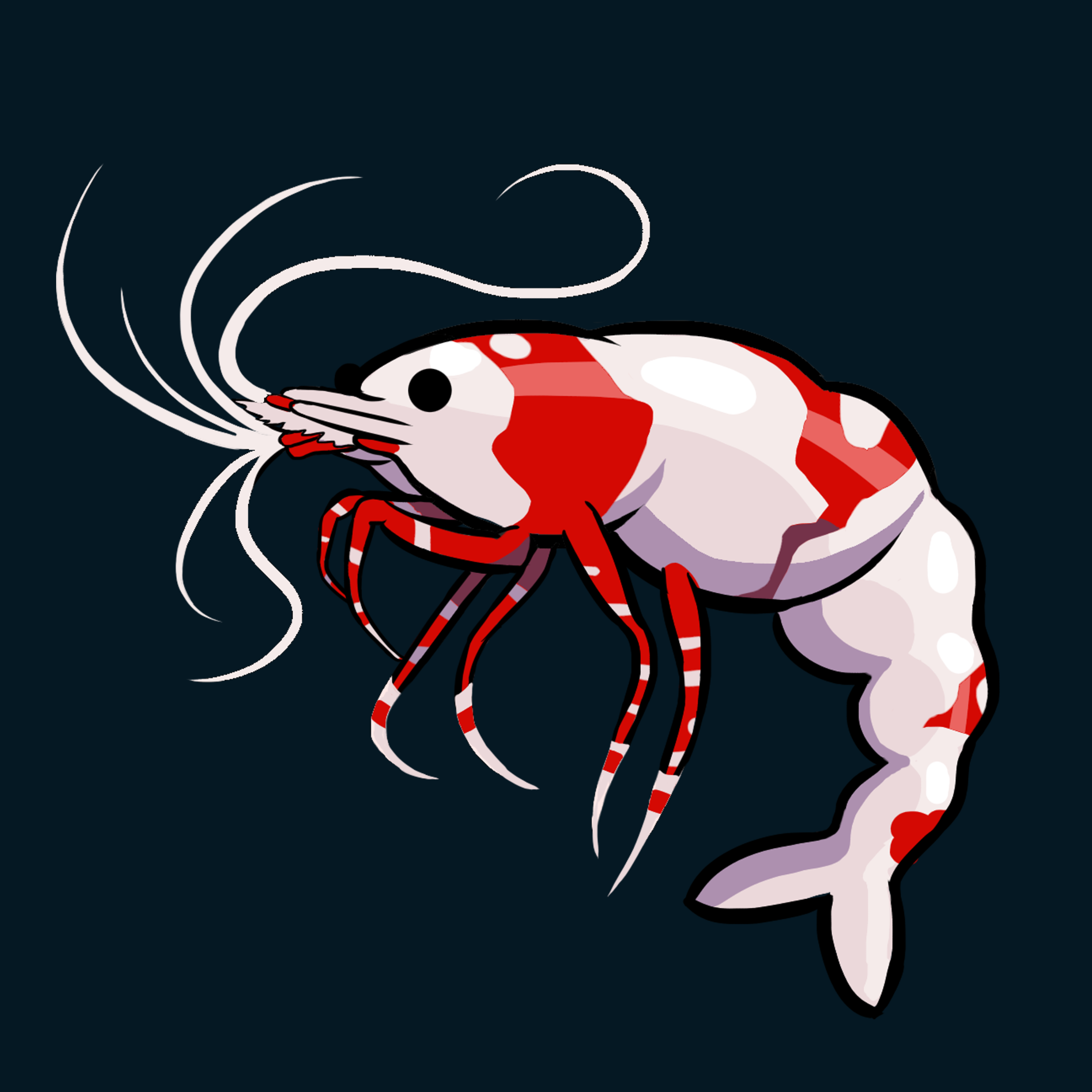
Some small fish may largely ignore adult Neocaridina while still eating shrimplets. If your aim is to build a breeding colony, a shrimp-only tank offers much better survival.
Dense moss, plants and hardscape can increase cover, but they do not make predation impossible.
Snails
Many common freshwater snails coexist peacefully with fish and shrimp. They still produce waste, however, and some species can reproduce rapidly when excess food is available.
Stocking
Even perfectly peaceful species can be a poor combination if the aquarium is overcrowded. More animals mean more waste, more feeding competition and less usable territory.
There is no universal “fish per litre” rule that works across all species. Adult size, body shape, activity, social behaviour and filtration matter too much.
Adding new tank mates
Add new livestock only after confirming the aquarium is stable and suitable for the increased bioload. Quarantine new fish when practical.
Watch closely after introduction. Some aggression appears immediately; other problems only become obvious at feeding time or once territories are established.
Warning signs
Common mistakes
A simple checklist
Keep reading